Thanksgiving at its core is a holiday rooted in gratitude and survival. For the early settlers, the celebration was not simply about abundance but about hope and joy in the face of hardship. Having endured the challenges of establishing life in a new land, the harvest represented more than food — it symbolized resilience, faith, and appreciation for the blessings of survival. Their gatherings were a way to pause, reflect, and give thanks for the sustenance that allowed them to continue building a future in unfamiliar territory.
Food quickly became the centerpiece of Thanksgiving, not only as nourishment but as a symbol of community and shared prosperity. The feast was a way to celebrate togetherness, with tables filled by the fruits of the harvest — corn, squash, and game — prepared and enjoyed in fellowship. Families and communities gathered to share meals, reinforcing bonds and reminding one another that survival and joy were collective achievements. The act of feasting was more than indulgence; it was a ritual of gratitude, a recognition that abundance was meant to be shared.
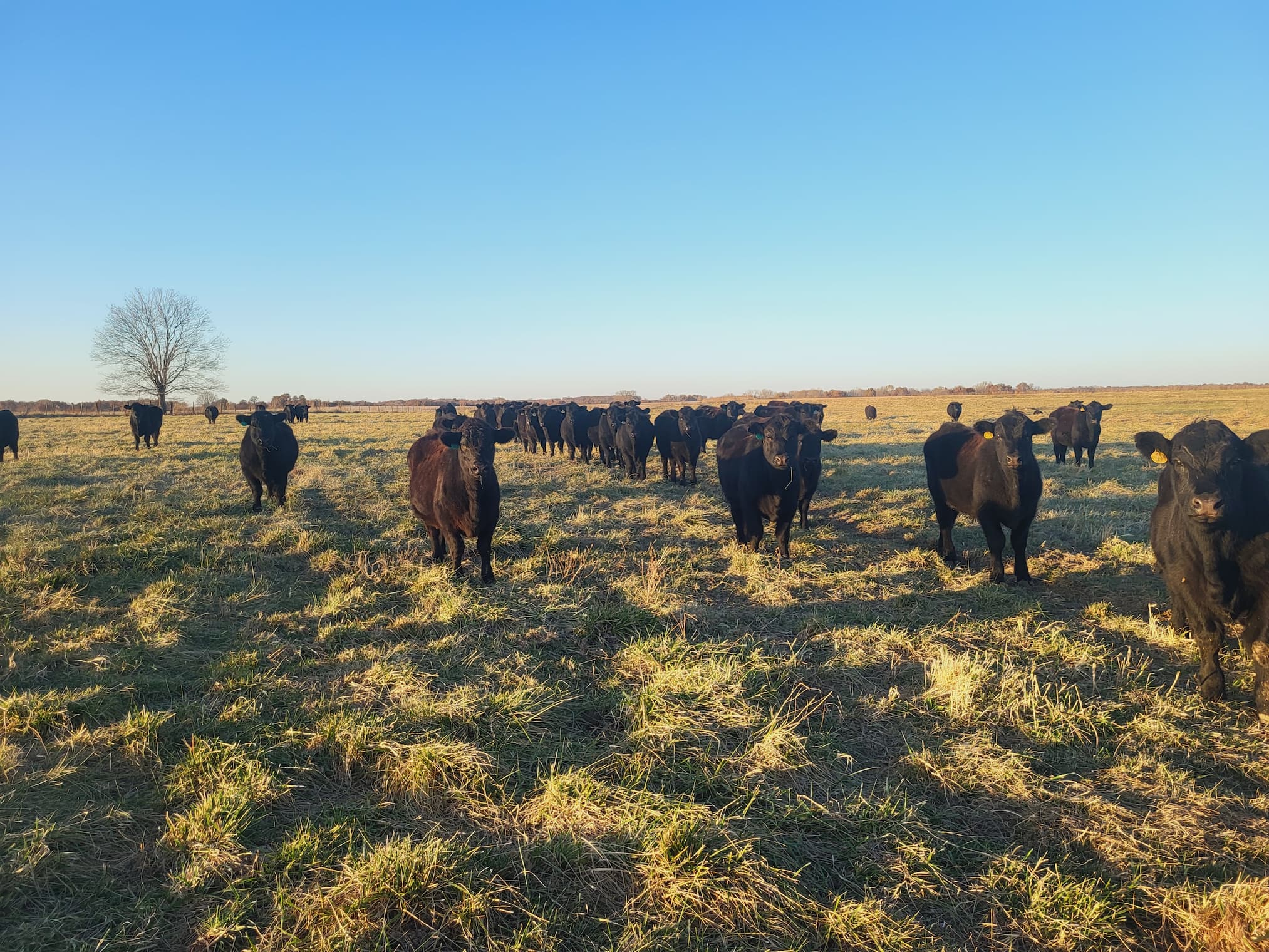
Underlying these celebrations was the recognition of hard work. The harvest was not a gift freely given but the result of tireless labor, careful stewardship of the land, and perseverance through adversity. Thanksgiving reminds us that the bounty of the table is inseparable from the sweat of those who tilled the soil, planted the seeds, raised the animals that provided meat, milk, hides, and labor. It is a holiday that honors the dignity of hard work and the deep connection between human effort, faith, hope, and joy.
Today, some farm families are reviving these values by embracing
regenerative farming practices. Rather than relying on industrial methods that deplete the soil, they are returning to older, sustainable ways of cultivating the land — rotating crops,
enriching soil health, and respecting natural cycles. This stewardship echoes the spirit of early Thanksgiving, ensuring that future generations will inherit fertile ground and fruitful harvests. In doing so, these families embody the holiday’s enduring purpose: gratitude not only for what we have now, but for the promise of abundance yet to come.