Traveling through the Midwest has a way of slowing you down, especially if you venture off the interstate into rural areas where roads aren’t nearly as straight. Driving these lettered blacktop roads is a way to soak up the quiet history these areas have to offer. You’ll see weathered barns leaning into the wind, farmhouse porches washed pale by decades of sun,
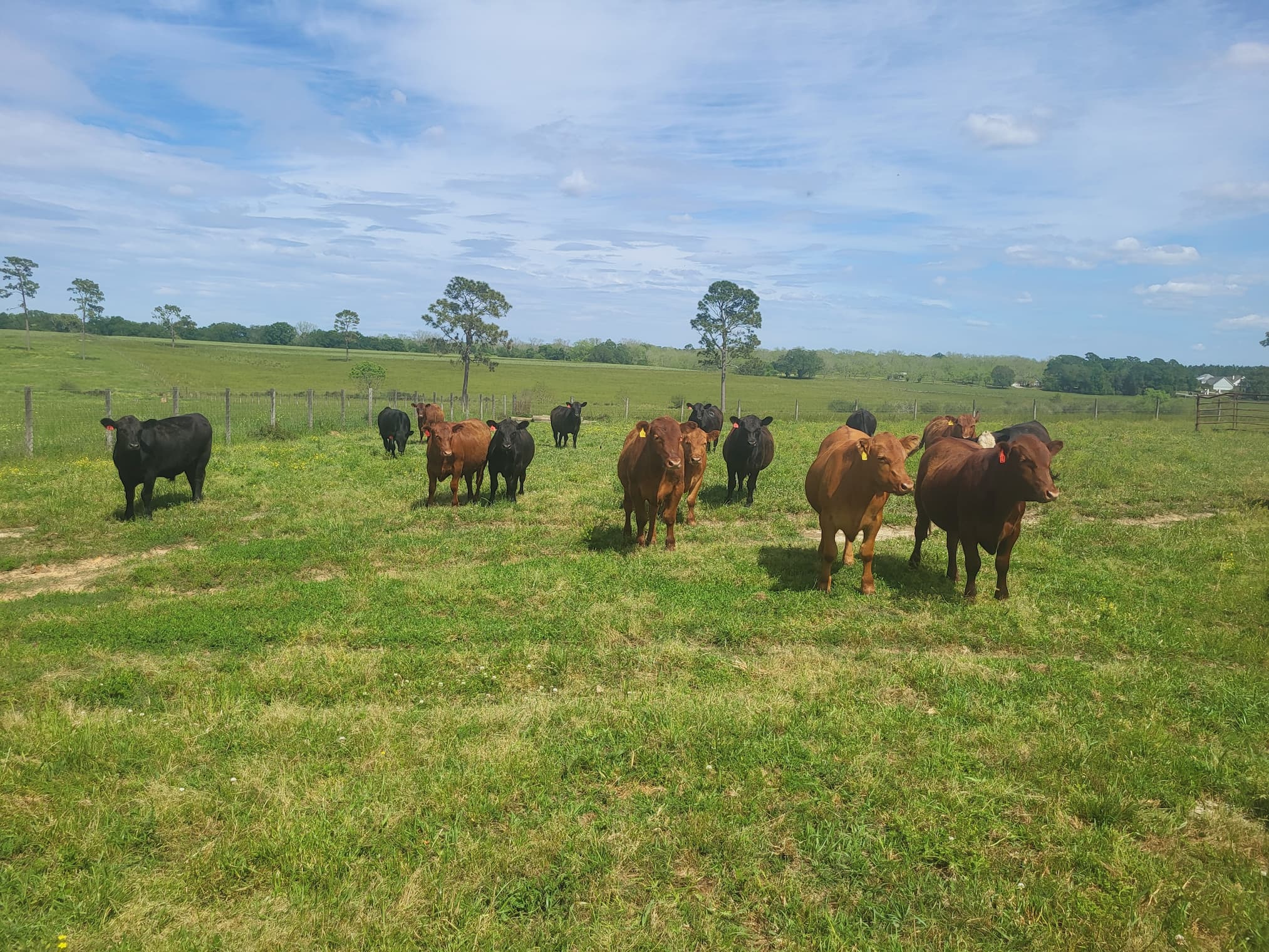
cattle grazing wide open pastures and fields stitched together by gravel roads. Old fences trace property lines first drawn generations ago, and every so often, a river comes into view, reminding us why towns were built where they were and how movement shaped the land.
Canton, Missouri is home to
US Wellness Meats. It is one such place, rooted in its history as a Mississippi River town. Long before interstate highways and modern trucking routes, the river served as a vital corridor for trade, travel, and communication. Canton thrived on this access, as did its nearby sister town of Tully. Over time, shifting river channels, flooding, and changes in transportation led to Tully’s decline and eventual abandonment, while Canton adapted and endured. The story of both towns reflects how closely Midwest communities were tied to the rivers that sustained them and how quickly fortunes could change when those waterways shifted.
River crossings have always been essential to commerce in this region. Bridges and ferries allowed goods, livestock, and people to move across natural boundaries that would otherwise slow trade and isolate communities. Access to dependable crossings meant farmers could reach markets, towns could grow, and businesses could survive. These crossing points shaped settlement patterns and determined which places flourished and which faded from the map.
In that way, bridges — especially those spanning rivers — serve as more than physical structures; they represent progress and possibility. They exist because someone needed to get from one side to the other, to move beyond a limitation and reach something new. These bridges remind us that growth often begins by crossing barriers, connecting what was once separated, and opening opportunities that didn’t previously exist.
As we travel these roads today, passing rivers, towns, and the remnants of what once was, it’s worth remembering the role those crossings played in building the Midwest. The landscape is more than scenery, it’s a network of connections shaped by necessity, resilience, and forward movement. And sometimes, all it takes is a bridge to carry us from where we’ve been to where we’re headed next.