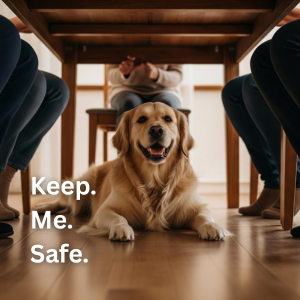
Many of us love sharing a little of our own meals with our pets, and let’s be honest — it’s hard to resist those pleading eyes beside the dinner table. While some human foods are perfectly safe in moderation, others can pose serious health risks. Understanding what’s okay to share and what’s better kept on your plate helps keep your furry family members healthy and happy.
Some table foods are not only safe but can actually be beneficial when offered responsibly. Lean, unseasoned proteins like plain
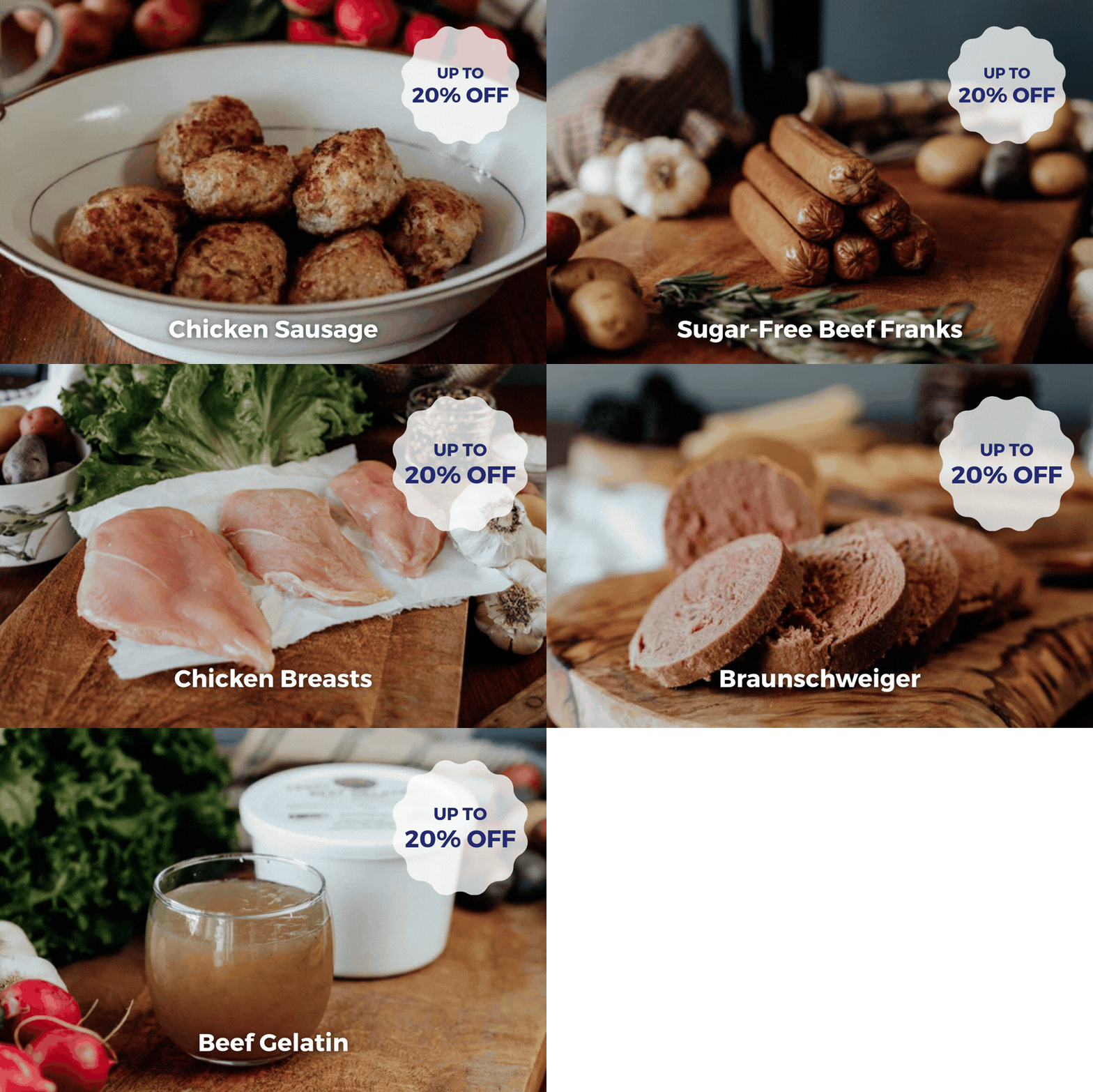
chicken,
turkey, or cooked eggs are generally well tolerated by dogs and cats. Small portions of carrots, green beans, or peas, and fruits like blueberries or sliced apples (without seeds) can offer vitamins and fiber. Healthy fats also have their place: a bit of plain
salmon or
sardines can provide omega 3 fatty acids that support skin, coat, and joint health. The key is keeping these portions small and avoiding added oils, seasoning, or sauces.
On the flip side, certain foods should never be given to pets. These include onions, garlic, grapes, raisins, chocolate, alcohol, and anything containing xylitol (a common sugar substitute). Even small amounts of these items can be dangerous. Fatty table scraps — especially those from fried foods — can lead to gastrointestinal upset or pancreatitis. And while bones may seem like a classic treat, some bones may not be appropriate. Cooked bones and bones from small animals, like chickens, may splinter or can be swallowed whole. These are generally deemed unsafe. Vet approved chew options can be a safer alternative, but an occasional raw bone from a large animal’s
joint,
rib or
marrow bone offers natural minerals like calcium and phosphorus that help nourish and support overall bone and joint health. It also helps clean their teeth, reducing plaque and tarter and satisfies their instinctual need to chew.
There’s also a gray area of foods that aren’t toxic but aren’t ideal.
Cheese, for example, is usually safe in tiny amounts but can cause digestive issues due to fat and lactose content. Bread, plain pasta, and rice aren’t harmful, but they offer little nutritional value and can contribute to weight gain. Even “healthy” items like peanut butter should be checked for added sugars or xylitol and reserved for occasional treats. When in doubt, moderation — and a quick check with your veterinarian — helps ensure that what feels like a loving gesture doesn’t lead to an unintended health issue.